
Spark Big Ideas in Ten Minutes
Today we dive into daily 10-minute creativity exercises for office teams, showing how quick rituals fit between meetings, energize collaboration, and produce tangible ideas. Expect playful prompts, proven structures, and inclusive tips that respect busy schedules while steadily strengthening imagination, trust, and problem-solving together.

Set the Stage for Lightning-Fast Inspiration
Start by co-creating simple agreements: show up on time, build on ideas, suspend judgment, and embrace brevity. Naming expectations reduces anxiety and unlocks playful risk-taking. When people feel respected and safe, ten minutes become surprisingly expansive, revealing unexpected connections and actionable starting points.
Keep markers, sticky notes, cards with prompts, and a portable timer within arm’s reach. Visible tools invite participation and quick starts. Digital alternatives work too: collaborative canvases, shared timers, and random word generators keep hybrid or remote teammates equally energized and engaged.
Treat the window like a meeting with outcomes. Close email, silence notifications, and assign a timekeeper. Ending on time matters as much as starting well, training focus and respect. Predictable boundaries encourage regular practice without fatigue, guilt, or creeping calendar sprawl.


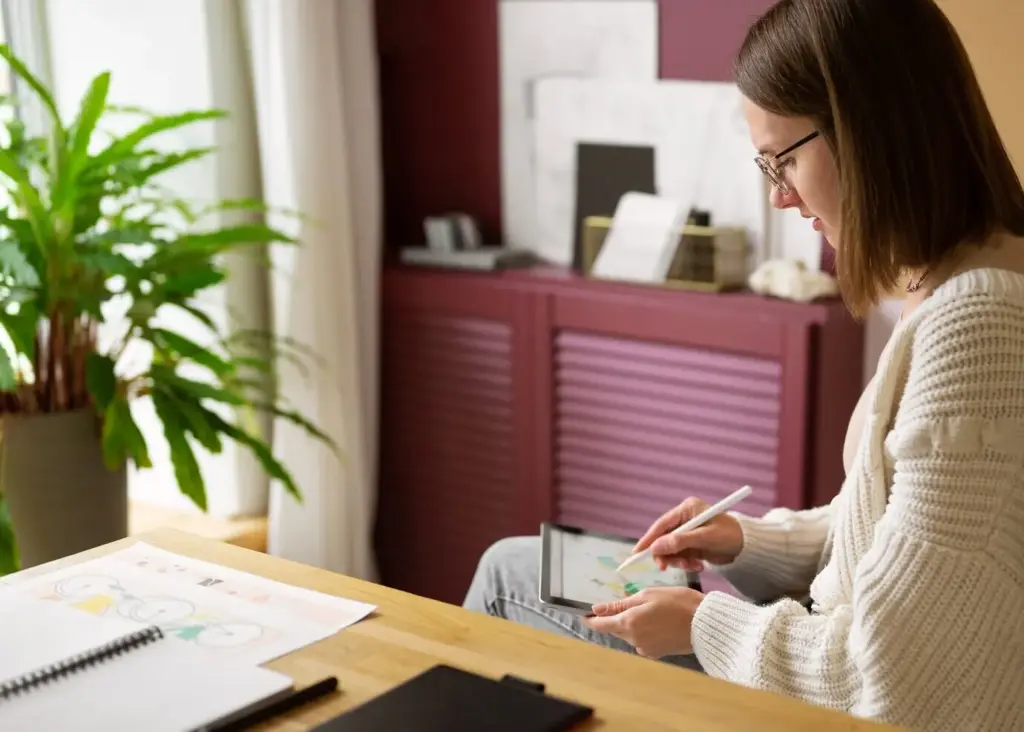

Energizers That Wake Up Brains Before Meetings
Use short energizers to flood the room with curiosity and laughter. These ten-minute starters break inertia, warm associative thinking, and make collaboration feel inviting. Every activity scales for small groups or whole departments, and includes remote-friendly twists that keep distributed colleagues equally involved.
Problem Framing in Ninety Seconds
Write the challenge as a question beginning with “How might we…?” Then quickly list constraints and success criteria. Short framing aligns expectations and focuses attention. Store the question in a visible place so future sessions compound progress rather than restarting the conversation every time.
Diverge Boldly for Six Minutes
Set a timer and generate options silently first, then aloud. Encourage quantity, not polish. Use prompts like “combine opposites” or “shrink the process to two steps.” Silence reduces status dynamics and yields broader input, especially from introverts or newer colleagues still finding confidence.
Converge with Gentle Voting
Give everyone three dots to place beside intriguing ideas. Ask why each dot landed where it did, surfacing values and assumptions. Choose a micro-experiment achievable within twenty-four hours, with a named owner and clear definition of done, then share outcomes with the team.
Idea Sprints that Deliver Useful Outcomes
Rapid structure prevents chaos. In under ten minutes, teams can frame a question, diverge boldly, and converge on a tiny next step. The cadence builds confidence and makes creative work feel pragmatic, measurable, and relevant to deadlines rather than ornamental or distracting.
Visual Thinking Without the Intimidation
Drawing skill is optional; clarity is not. Quick visual exercises externalize thoughts, reveal gaps, and align perspectives fast. In ten minutes, simple shapes can map journeys, risks, and opportunities. Visual artifacts become shared memory, accelerating future collaboration and reducing endless re-explanations during busy weeks.
Use the famous “crazy eights” fold to sketch eight small ideas quickly. Quantity beats detail. After the burst, circle two that feel promising and annotate why. Sharing low-fidelity sketches lowers ego, invites questions, and highlights patterns the group might otherwise overlook together.
Across six frames, place sticky notes that show a customer’s journey from first contact to delighted outcome. Visual sequencing exposes handoffs, delays, and emotional peaks. In minutes, gaps become opportunities for experiments you can test this week without heavy approvals or budgets.
Write the central topic in the middle, then radiate branches for stakeholders, tools, blockers, and wildcards. Keep it fast and messy. Patterns emerge when clusters grow. Snap a photo and share so remote teammates can build on it asynchronously throughout the day.

Move, Play, and Reset Midday
Physical shifts reset cognition. A brief change in posture, rhythm, or environment refreshes attention and sparks originality. Ten mindful minutes reduce stress hormones, improve working memory, and rekindle curiosity. Inclusive variations ensure everyone participates comfortably, whether seated, remote, or accommodating accessibility needs without awkwardness.

Make It a Habit the Team Loves
Consistency turns novelty into capability. Anchor sessions to existing routines, rotate facilitation, and track outcomes publicly. Short reflections, idea counts, and shout-outs sustain momentum. Invite readers to share favorite exercises or subscribe for weekly prompts, case studies, and new ten-minute challenges to explore together.
End with a two-minute retro: what helped, what hindered, what to try next. Keep notes in a simple log so patterns emerge. Over weeks, these tiny insights sharpen facilitation and prove the value of the practice to stakeholders, leaders, and skeptical teammates.
Schedule a rotation so different colleagues host each day. Variety prevents ruts and spreads facilitation skills. Hosts choose prompts, bring props, and keep time. Shared ownership increases attendance and ensures the practice survives vacations, deadlines, and leadership changes without losing momentum or clarity.